

Introduction to Commercial Alarm Systems in Dallas
Alarm systems for business purposes are essential for the protection of businesses located in Dallas, as Dallas is known to have a diverse business environment consisting of office spaces, retail businesses, warehouses, and mixed-use facilities. Alarm systems have now become an essential component of business risk management instead of a complementary component. Information about these systems is widely accessible through industry publications, regulatory guidance, and a reputable company’s website, helping decision-makers understand how installation and monitoring work in practice.
What Are Commercial Alarm Systems?
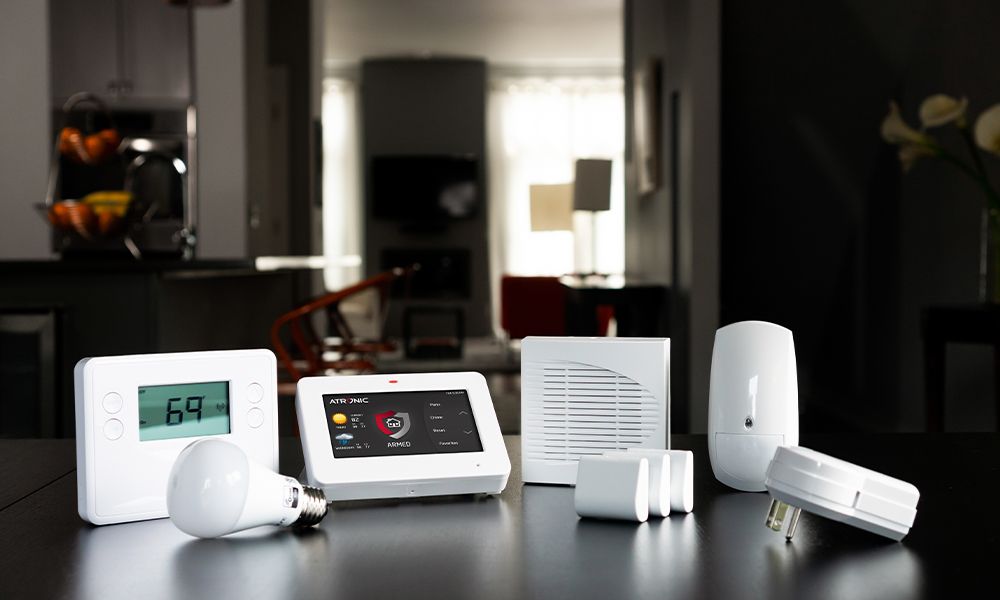
Commercial alarm systems have organized security structures tailored for business sectors. Unlike home security alarm systems, commercial alarm systems have been designed to handle large spaces, multiple entry points, and continuous operation during and outside business hours. Commercial security alarm systems consist of control panels, motion sensors, door and window contacts, glass-break sensors, and audio alarm devices. They have been incorporated to offer early warnings in cases where unauthorized access is detected.
Importance of Burglar Alarms to Business Security
Burglar alarm systems are one of the essential parts of business alarm systems. They specifically deal with intrusion detection and prevention. When there is an attempt at forced entry or suspicious motion, the system sends out an alarm to draw attention to the fact. In business setups, burglar alarm systems act basically as a means of reaction. In Dallas, the mere visibility of such alarm systems will act as a preventive measure for opportunistic offenses such as burglary.
Installation Considerations for Commercial Properties
The process of installing business alarm systems requires professional planning and evaluation of the property. Additionally, the size, configuration, number of entry points, and nature of the business cycle all play an important part in the type and manner of installing the sensors. In other cases, warehouses will require the emphasis to be on the perimeter and motion sensors, while offices will require emphasis on access control and night-time protection. Old buildings in the city of Dallas may also require special consideration when installing the alarm systems.
Alarm Monitoring and Its Significance
The process of monitoring is an important aspect that influences how an alarm system behaves when it is installed. In monitored alarm systems, notifications produced by burglary alarms are sent to a monitoring station. The process involves evaluation by human operators. This is carried out in accordance with certain predefined procedures. The procedures entail notifications of business owners or security personnel. At Dallas commercial properties, monitoring enables continuity regarding how issues of security are handled, even when spaces are unattended.
Reducing False Alarms and Operational Disruptions
False alerts are a worry for a number of commercial businesses due to the way they may interfere with day-to-day operations and will result in fines for some businesses. Careful system programming and good user education and training are effective ways to ensure a reduction in the event of false alerts. Businesses are to be aware of how environmental conditions may impact alerts.
Integration with Broader Security Planning
Commercial alarm systems and burglary alarms are best utilized as a tool of a total security program. These can also consist of access control systems, security cameras, lighting design, or in-building security policies. In the city of Dallas, with its various levels of commercial activity and the consequent differences in the security needs of these areas, multi-layer security provides the flexibility.
Conclusion
Commercial alarm systems and burglar alarms are still relevant tools for dealing with security risks in Dallas’s business community. Inherent in these tools is the benefit that comes from thoughtful and competent use. Businesses seeking general information can rely on professional guidance, local regulations, and educational resources available through industry channels or a trusted website to better understand how these systems support long-term operational safety.