

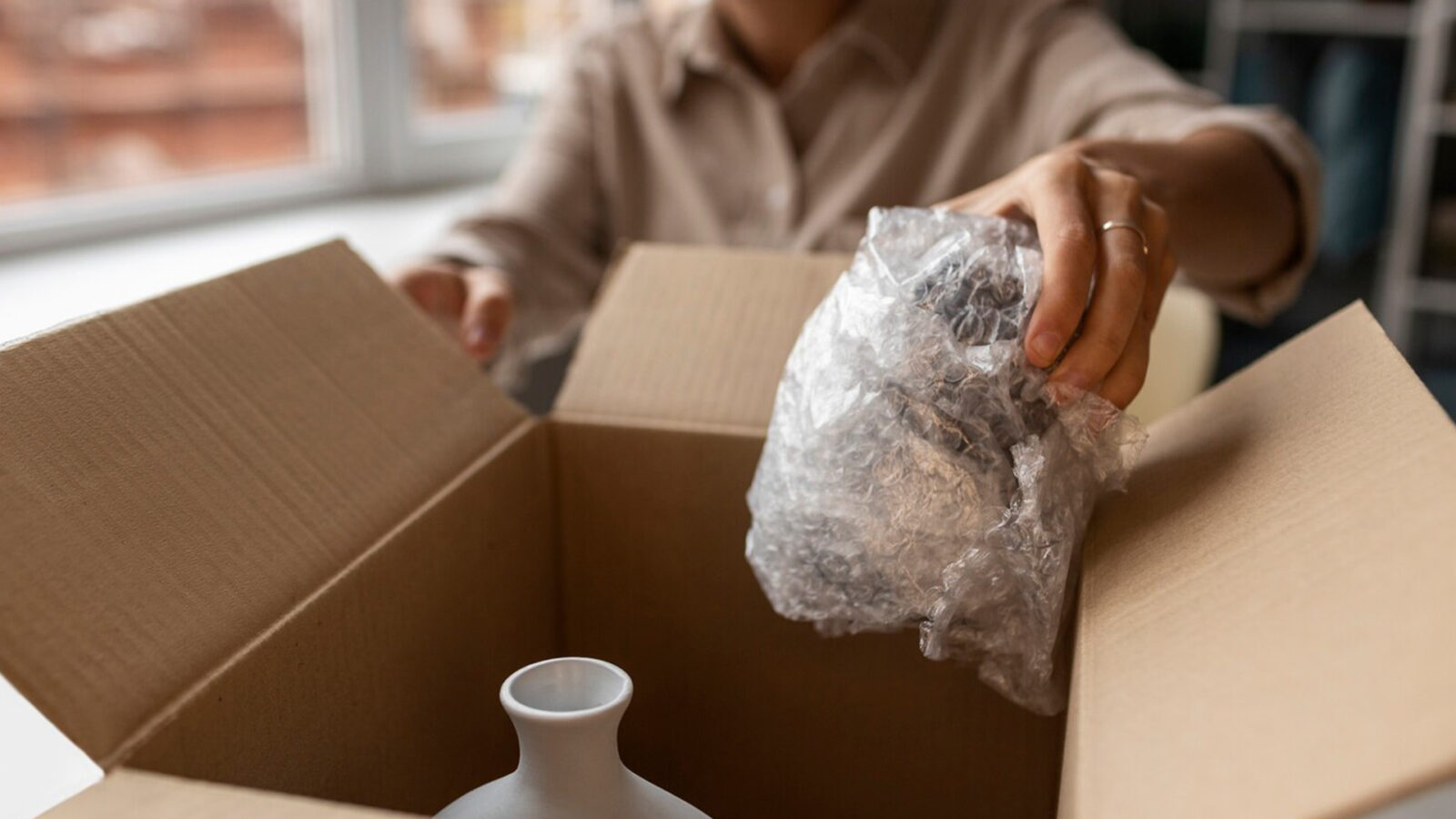
Shipping fragile items can be nerve-wracking. Whether you are sending grandmother’s china to a family member, shipping glassware sold through your online store, or mailing delicate electronics to a customer, the fear of damage during transit is real. Carriers handle millions of packages daily, and yours will be stacked, sorted, shifted, and transported alongside countless others. Proper packing is the only way to ensure your fragile items survive the journey intact. This comprehensive guide walks you through the exact steps professionals use to pack delicate items safely.
Gather the Right Packing Materials
Before you begin packing, assemble all necessary materials. Using inadequate or improper supplies is the number one reason fragile items arrive damaged. Never try to make do with whatever boxes you have lying around or skip protective materials to save a few dollars.
Essential packing materials include:
- New corrugated cardboard boxes in appropriate sizes
- Bubble wrap in various sizes
- Packing peanuts or air pillows
- Packing paper or newsprint
- Heavy-duty packing tape (not masking or scotch tape)
- Foam sheets or foam corner protectors
- Fragile stickers and handling labels
The box should be sturdy enough to support the item’s weight plus protective materials. Used boxes that have been through previous shipping cycles lose structural integrity and are more likely to collapse under pressure. If you are unsure what materials your specific item needs, experienced staff can provide guidance and ensure you have everything necessary for safe transit.
Choose the Right Box Size
Box selection is more important than most people realize. A box that is too small forces you to compress protective materials, reducing their effectiveness. A box that is too large allows items to shift during transport, increasing the risk of impact damage.
The ideal box provides at least three inches of cushioning space on all sides of the fragile item. For multiple items, each piece should be individually wrapped and separated from others. When shipping extremely fragile or valuable items, consider using a double-box method where the item sits in a smaller box surrounded by cushioning, and that entire box is placed inside a larger box with additional protective material filling the gap.
Prepare the Item for Packing
Start by wrapping the fragile item properly. For glassware, ceramics, and similar items, begin by stuffing any hollow spaces with crumpled packing paper. This prevents the item from collapsing inward if pressure is applied. Wrap the entire item in several layers of bubble wrap with the bubbles facing inward against the item. Secure the bubble wrap with tape, but avoid taping directly to the item’s surface.
For items with protruding parts like handles, spouts, or decorative elements, provide extra padding to these vulnerable areas. Wrap these sections separately before wrapping the entire piece. Electronics should be placed in anti-static bubble wrap or their original packaging when possible. Remove batteries from electronic devices before shipping to prevent damage from leakage or shifting during transport.
Create a Cushioned Foundation
Never place a fragile item directly on the bottom of a box. Create a cushioned foundation by adding at least three inches of packing peanuts, air pillows, or crumpled packing paper to the bottom of the box. This layer absorbs shocks from the box being set down or dropped.
Press down gently on this cushioning layer to compress it slightly. This prevents the item from settling during transit and ending up pressed against the bottom of the box. The goal is to create a stable but shock-absorbing platform that keeps your item suspended in the center of the package.
Position and Surround the Item
Place your wrapped fragile item in the center of the box on top of the cushioning layer. The item should not touch any walls of the box. Fill all empty spaces around the item with additional packing materials. Use packing peanuts to fill large voids and bubble wrap or crumpled paper for smaller gaps.
Pack materials firmly enough that the item cannot move when you gently shake the box, but not so tightly that you create pressure points that could crack or break the item. When you close the box flaps, they should close easily without forcing. If you have to press down hard to close the box, you have overpacked it, which can cause as much damage as underpacking.
Seal and Label Properly
Use high-quality packing tape to seal all seams and flaps of the box. Apply tape along the center seam where the flaps meet, then add strips along both edges where the flaps meet the box sides. This H-taping method provides maximum strength. For heavier items, consider running tape completely around the box’s girth for additional security.
Apply fragile stickers to all four sides of the box and on the top. Add “This Side Up” arrows if the item has a specific orientation that must be maintained. Include “Handle With Care” labels prominently. While these labels do not guarantee careful handling, they do alert workers to exercise extra caution. When you work with Newport Beach Mailboxes & More, professionals can assess your packing job and recommend improvements before your package enters the shipping stream.
Final Inspection and Insurance
Before handing your package to the carrier, perform a final shake test. Gently shake the box near your ear. You should not hear any movement or rattling inside. If you do, open the box and add more cushioning material. Take photos of the packed item before sealing the box completely as documentation in case insurance claims become necessary.
Always purchase shipping insurance for fragile items. The small additional cost provides peace of mind and financial protection if damage occurs despite your best packing efforts. Declare the full value of the item to ensure adequate coverage. Following these professional packing techniques dramatically reduces the risk of damage and ensures your fragile items reach their destination safely.