

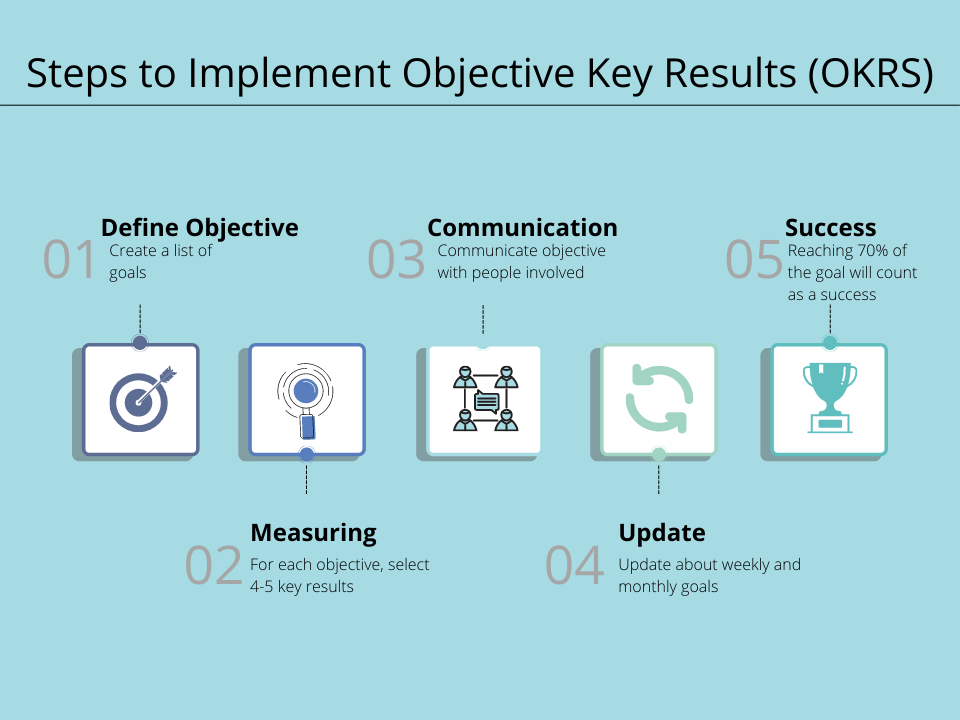
Startups rarely move in straight lines. One week, growth is everything. Next, retention suddenly matters more. Then a big customer asks for something unexpected, or the market shifts overnight. It happens fast. And when it does, your OKRs can start feeling off.
That does not mean OKRs failed. It usually means the business evolved. The real challenge is knowing how to adjust OKRs without breaking focus or confusing your team.
Why OKRs Need Room to Breathe
OKRs are meant to create clarity, not pressure. If priorities change and OKRs stay frozen, teams quietly disengage. They keep “tracking progress” while knowing deep down the goal no longer fits reality.
This is where structured conversations matter. Many startups use OKR workshops to reset alignment when things shift. Expert consultants like Wave Nine help leadership step back, look at what changed, and recalibrate goals together instead of reacting in silos. Those sessions often save weeks of confusion later.
First Question: Do the Priorities Really Change?
Before rewriting anything, pause.
Ask a few honest questions:
- Is this a short-term distraction or a real strategic shift?
- Does this change affect revenue, customers, or long-term direction?
- Will ignoring it hurt us more than adjusting goals?
Not every surprise deserves a new OKR. Some things are just noise.
Review Existing OKRs Without Emotion
Once you are sure priorities changed, review current OKRs calmly.
Look at each Objective and ask:
- Does this still matter right now?
- Is this still achievable with our current resources?
- Is anyone still excited about this goal?
You will usually find:
- Some OKRs still work
- Some need small tweaks
- A few should probably be paused or dropped
And that is all right.
Adjust, Don’t Overhaul Everything
One common mistake is rewriting all OKRs at once. That can feel like starting over every quarter.
Instead:
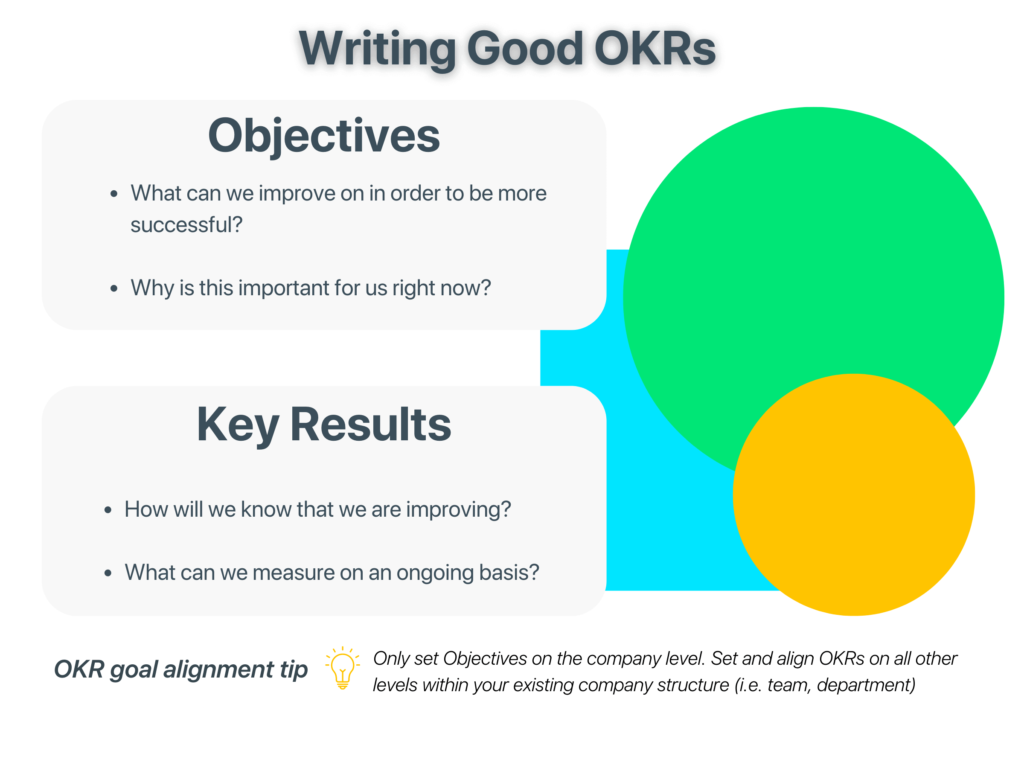
- Keep the objectives that still align
- Adjust key results to reflect new realities
- Introduce one new objective only if necessary.
Small changes often work better than dramatic resets.
Talk to Your Team
This part gets underestimated. When OKRs change, people need context. Not just “here is the new goal,” but what changed? Why now? What are we not focusing on anymore? Repeat the message more than once. People don’t absorb change in a single meeting.
Realign Ownership and Capacity
Changing priorities usually means changing effort.
That could mean:
- Shifting people between projects
- Reducing scope on older initiatives
- Adjusting timelines without guilt.
If ownership stays unclear, even good OKRs fall apart.
Keep Check-ins Flexible
After adjusting OKRs:
- Watch progress weekly or bi-weekly
- Invite feedback early
- Be willing to tweak again if needed
OKRs should evolve with the business.
Final Thought: Adjustment Is a Strength
Changing OKRs does not mean the original goals were wrong. It means the startup learned something new. When adjustments are done thoughtfully, especially with support from structured OKR workshops like those run by Wave Nine, teams stay focused, calm, and aligned even during change. And in startup life, that flexibility might be the most important goal of all.