

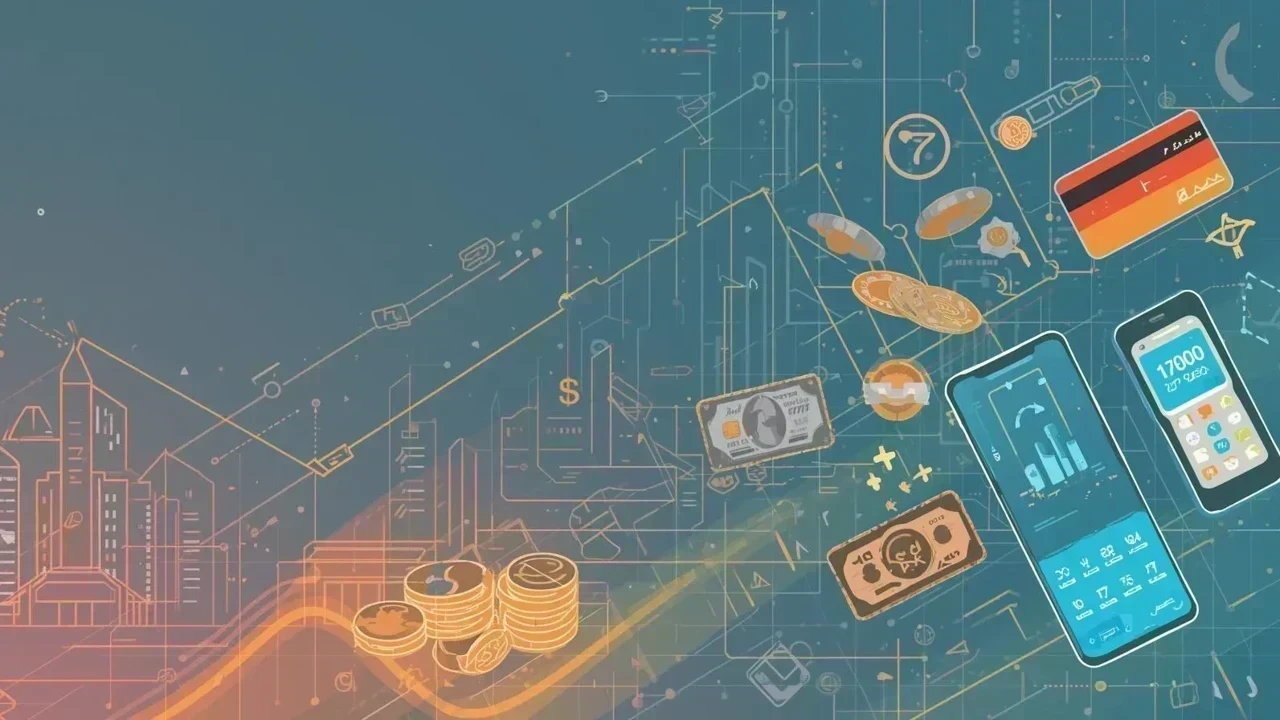
Cashless payment systems are reshaping how people and businesses exchange value. As we move into 2026, digital payments are no longer a convenience but a standard. Cards, mobile wallets, QR codes, and wearable technology have replaced physical cash across retail, events, hospitality, and services. Faster transactions, better data, and improved security are driving adoption, making cashless systems essential for modern operations.
What Defines Modern Cashless Payment Systems
Cashless payment systems include any transaction method that removes physical currency. These platforms combine contactless cards, mobile wallets, NFC, QR codes, and RFID into unified ecosystems. Beyond payments, they collect real-time data on sales, customer behavior, and operations, which is why alcohol payment processing solutions increasingly rely on such technologies to ensure compliance, efficiency, and security. Businesses use this insight to track demand, manage inventory, prevent fraud, and personalize experiences. The result is a faster, smarter, and more connected payment environment.
Growth Drivers Pushing Cashless Adoption
Several forces are accelerating the shift toward cashless payments. Consumers value speed and simplicity, while businesses benefit from efficiency and lower handling risks. Mobile devices and digital wallets have made payments effortless, even in high-volume settings. Environmental concerns also play a role, as digital transactions reduce paper use and the need for cash transport. Together, these factors have made cashless payments the preferred choice worldwide.
Key Benefits for Businesses
Cashless systems deliver measurable advantages. Transactions are completed in seconds, reducing queues and increasing sales capacity. Advanced security features such as encryption and tokenization lower fraud risks and eliminate cash theft. Detailed analytics reveal peak hours, popular products, and spending patterns. Operational costs drop as manual counting, reconciliation, and errors disappear. These benefits directly improve profitability and customer satisfaction.
Why RFID Leads High-Volume Environments
RFID-based cashless systems excel in crowded environments like festivals, stadiums, and campuses. Unlike card-based payments, RFID can work offline, ensuring uninterrupted service. Wearable tags allow fast, hands-free transactions and reduce congestion. The same technology can manage access control, track movement, and support loyalty programs. This reliability and flexibility make RFID ideal for time-sensitive operations.
Industries Seeing the Highest Returns
Many sectors benefit from cashless adoption. Retailers speed up checkout and connect in-store and online data. Hospitality businesses simplify guest experiences with unified billing. Event organizers increase per-visitor spending while improving crowd flow. Campuses and workplaces manage dining, transport, and access through a single system. Each use case gains from efficiency and insight.
Preparing for a Cashless Future
Successful adoption requires planning. Businesses should assess infrastructure, train staff, and educate customers. Clear communication builds trust, while strong security protects data. Scalable platforms ensure systems grow with demand. When implemented correctly, cashless payment systems become strategic tools, not just checkout upgrades. They support smarter decisions, smoother operations, and long-term growth heading into 2026.
Conclusion: The Cashless Standard Ahead
Cashless payments are no longer optional for competitive businesses. As consumer expectations continue to evolve, organizations that rely on physical cash risk slower service, higher costs, and limited insight. Digital systems support speed, security, and adaptability at scale. This shift reflects a permanent change in how value moves globally forward.